The Impact of U.S. Military Presence in the Middle East: A New Perspective | pragmatic play 138, mesin hoki88 slot, play n go online casinos
Categories:Entertainment
Tags: ddn889 link alternatifpatch pte pes 2016slot wild west demojam gacor slot pragmatickoko303 slot login
Official :
SEO : Aizhan.com Webmaster Tools
Website
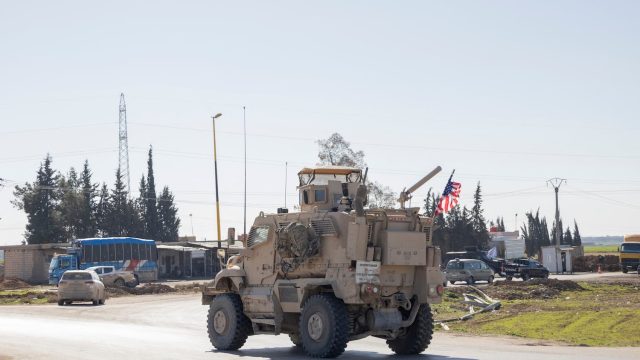
As tensions continue to escalate in the Middle East, the role of the United States military has come under scrutiny. Many experts are questioning whether U.S. military intervention truly fosters stability or if it contributes to ongoing disruptions in energy flow and international relations. This article takes a deep dive into the complexities of U.S. military presence in the region and its implications for global energy dynamics.
The U.S. has maintained a military presence in the Middle East for decades, driven by multiple objectives, including safeguarding vital energy resources, supporting allies, and countering perceived threats. However, recent analyses suggest that these goals may be undermined by the very actions intended to protect them.
Since the late 20th century, U.S. military operations have been framed as necessary for ensuring the uninterrupted flow of oil from the Persian Gulf. However, the reality has often been one of increased instability and conflict. In instances where military force was used, rather than deterring threats, it frequently led to retaliatory actions that further complicated regional dynamics.
Energy security is often cited as a primary reason for U.S. military involvement in the Middle East. However, several recent events highlight a troubling paradox: military presence has, in many instances, resulted in interruptions in energy supplies rather than securing them.
To navigate the complexities of Middle Eastern geopolitics and energy security, a cooperative approach may be necessary. Instead of unilateral military actions, the focus could shift to diplomatic solutions and multilateral engagements.
Diplomatic efforts can serve as an alternative to military intervention. Here are a few strategies that might yield positive outcomes:
As we reflect on the complexities of the U.S. military presence in the Middle East, it is evident that the current approach may be more counterproductive than previously thought. With rising tensions and the volatility of energy markets, now is the time to reconsider strategies that prioritize diplomatic engagement over military intervention. By doing so, the U.S. could play a more constructive role in fostering stability in the Middle East, enhancing global energy security, and ultimately benefiting all nations involved.
In this evolving context, the integration of new perspectives and strategies will be crucial. The recent discussions around alternative platforms in other sectors, such as the ddn889 link alternatif for gaming, reflect a similar need for adaptability and resilience. Just as the gaming community seeks innovative pathways, so too must international relations evolve to meet modern challenges.
Website