Examining AI Chatbots: Uncovering Political Bias in 2023 | casino 388, qq88 bola, swae lee
Categories:industry
Tags: cara bermain game olympusslot gbo skyreal madrid online casinolink alternatif dragon222 loginzombie slot machines pinjam di shopeevegas108 slotpop slots daily bonusmarceline cosplay
Official :
SEO : Aizhan.com Webmaster Tools
Website
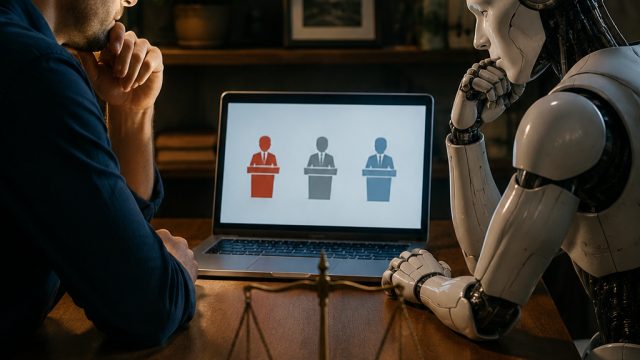
In an age where artificial intelligence is deeply integrated into our daily lives, the battle against biases in AI chatbots has taken center stage. As these technologies evolve, questions regarding their impartiality become increasingly pertinent. This article delves into the current landscape of AI chatbots, particularly focusing on their perceived political inclinations, and why this discussion matters more than ever.
AI chatbots, like ChatGPT, have gained immense popularity due to their ability to generate human-like responses and assist in various tasks ranging from customer service to content creation. However, as they become more influential, the scrutiny on potential biases in their responses has intensified. The question at hand is whether these algorithms reflect the political biases of their developers, or if they remain neutral in their function.
Bias in AI often stems from the data on which these systems are trained. If the training data contains political leaning, the AI may inadvertently reproduce these biases. Understanding this is critical for users and developers alike. To navigate this issue, an awareness of the types of biases present in the training datasets is essential.
Recent studies have attempted to quantify the extent of political bias in AI chatbots. Researchers have conducted various experiments to test how these bots respond to politically charged prompts. Some findings indicate a subtle yet influential inclination towards politically liberal views, while others suggest a more balanced perspective. This discrepancy highlights the complexity of addressing biases in AI.
As the world becomes more polarized, the importance of unbiased AI technology cannot be overstated. The perceived biases in chatbot responses could affect public opinion and influence decision-making processes. Users need to be aware of the potential biases that may shape their interactions with AI systems.
AI chatbots are increasingly used in various sectors, including education, journalism, and customer service. Their potential to shape narratives and influence beliefs raises ethical concerns. If chatbots exhibit bias, they could inadvertently perpetuate misinformation or skew public discourse, adversely affecting societal norms.
To address these issues, several strategies can be implemented:
As AI continues to advance, the conversation surrounding bias is expected to evolve. It is crucial for developers, users, and policymakers to collaborate on creating guidelines that ensure fairness and equity in AI. Awareness and proactive measures can contribute to a future where AI chatbots serve as unbiased tools that enhance societal understanding rather than hinder it.
The implications of political bias in AI chatbots extend beyond mere technological concerns; they touch on fundamental questions about ethics, communication, and democracy. As we leverage these tools, fostering discussions and implementing thoughtful measures will be essential in navigating the challenges ahead. Understanding the political landscape of AI chatbots is not just a necessity for developers but a responsibility for all users aiming to engage with technology critically.
Website