U.S. Energy Secretary Declares Success in Protecting Strait of Hormuz | freebet gratis tanpa syarat, data togel japan tercepat
Categories:industry
Tags: cara buat situs slotjudi slot88legendapokerfifa 21 ps3 downloadhongkong yang keluar tadi malam berapadownload film makmum 2ligadewa888big red pokie demo
Official :
SEO : Aizhan.com Webmaster Tools
Website
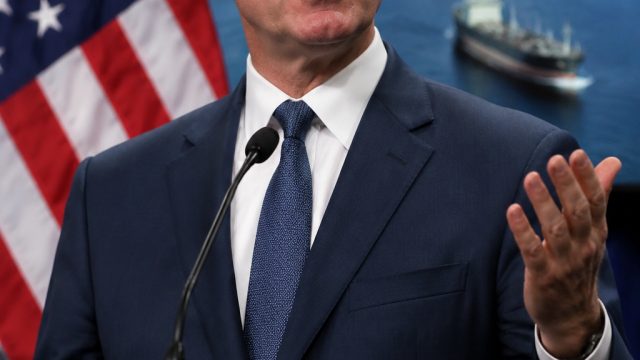
In a recent statement, U.S. Energy Secretary Chris Wright announced significant strides in ensuring the security of the Strait of Hormuz, a crucial maritime route for global oil shipments. With over 72 ships carrying a staggering 19 million barrels of oil passing through in just a 24-hour period, Wright emphasized that the United States has effectively mitigated Iran's capability to threaten this vital waterway.
The Strait of Hormuz is a narrow passage that connects the Persian Gulf to the Arabian Sea, and it is a vital conduit for crude oil transport. Approximately 20% of the world's oil supply transits through this strait, making its security essential not just for exporting nations but for global markets reliant on stable oil prices. Recent developments in regional tensions have highlighted the significance of maintaining open maritime routes.
Wright's announcement comes amid ongoing geopolitical tensions in the region. The Energy Secretary noted that the recent flow of ships through the Strait is a testament to the effectiveness of U.S. strategies in safeguarding international shipping interests. This is especially relevant as energy prices remain volatile, heavily influenced by any disruptions in oil supply routes.
The U.S. has implemented a series of measures aimed at protecting the Strait of Hormuz from potential threats posed by various state and non-state actors. These measures include:
As the situation in the Strait of Hormuz unfolds, analysts are closely monitoring its impact on global oil prices. The assurance of uninterrupted oil flow can stabilize market fears and prevent drastic price fluctuations. With the U.S. emphasizing its commitment to securing this vital waterway, stakeholders in the energy sector remain optimistic about the future of oil supply chains.
Looking ahead, the U.S. remains committed to ensuring the stability of the Strait of Hormuz. Energy Secretary Wright's assertions signal a broader strategy to not only defend this crucial point but also to foster international cooperation in safeguarding maritime routes worldwide.
Despite the positive developments, challenges remain. The U.S. must navigate complex geopolitical landscapes, including Iranian responses and the interests of other regional players. Continued vigilance and adaptability will be key in maintaining security and ensuring the flow of oil through the Strait.
As the global community keeps a watchful eye on the Strait of Hormuz, the recent statements from U.S. Energy Secretary Chris Wright provide a sense of reassurance. The ongoing efforts to protect this strategic waterway underline the importance of stability in international oil markets. For stakeholders in energy and beyond, understanding the dynamics at play in the Strait of Hormuz is essential for navigating the future of global trade and energy security.
Website